

Messer Poland: “Carbon capture suggests that interesting changes are on the horizon for the CO₂ market”
ASCO: How well-known is dry ice as a cooling solution in Poland?
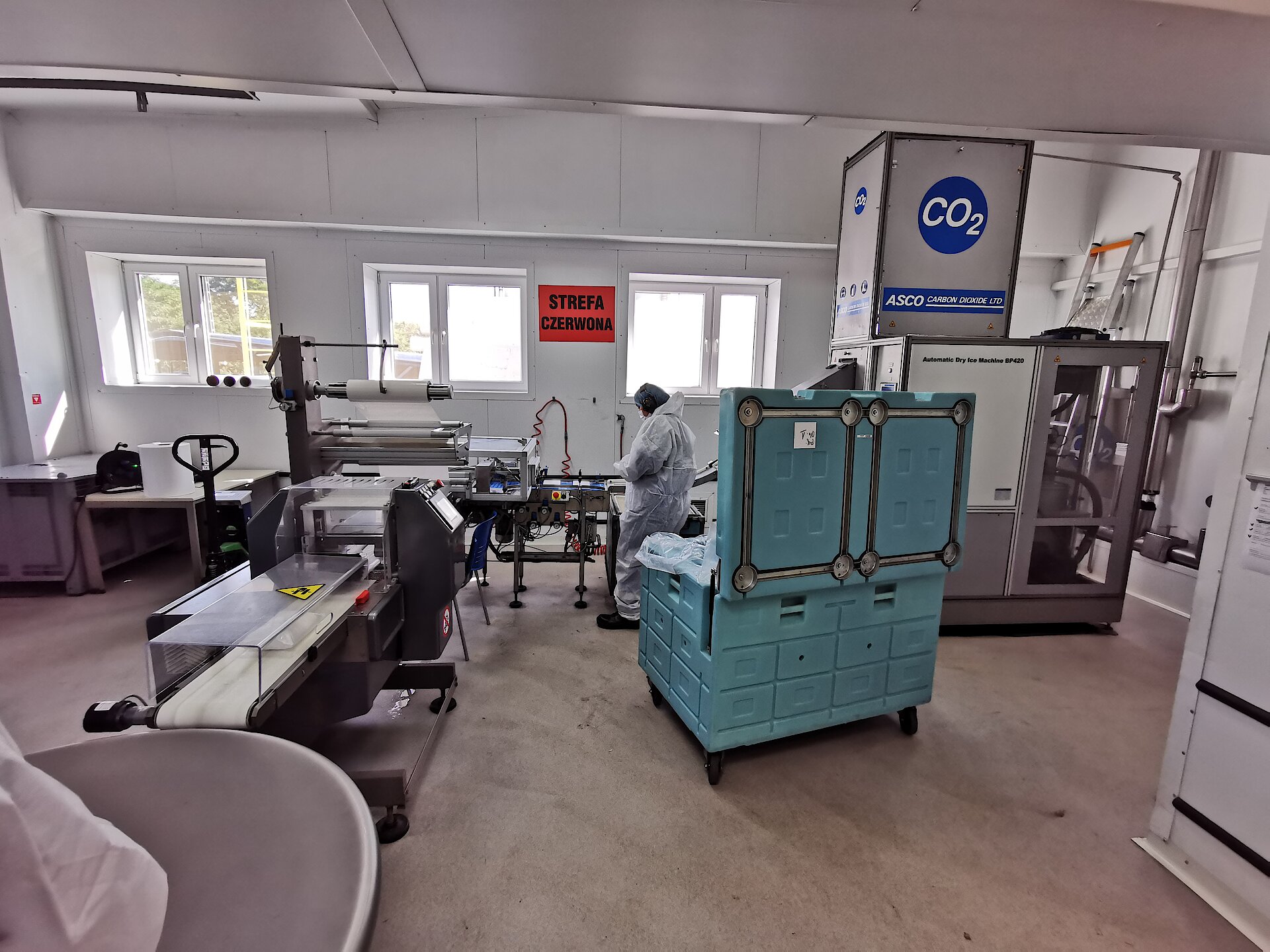
Jacek Bulawa: It is a popular solution, but one that is only used where other technologies cannot be employed. What are the main alternatives used in sectors such as the food and drink industry? Refrigeration units are the most common standard for cooling. The alternatives to this solution are cool boxes with eutectic plates or with dry ice snow, such as the ‘Siber System’
ASCO: Which sectors in Poland have the greatest demand for dry ice?
Jacek Bulawa: The food industry continues to have the greatest demand for dry ice, and I expect this to rise further in the near future. Nevertheless, we should not overlook the use of dry ice as a cleaning agent in the context of dry ice blasting for numerous purposes.
ASCO: How is the demand for dry ice developing in your country overall?
Jacek Bulawa: I monitor our sales closely and my opinion is based on a number of enquiries from many companies, so I am convinced that the Polish market can grow by more than 10% annually.
ASCO: What is the current state of the CO2 market in Poland in general?
Jacek Bulawa: The CO2 market has changed only marginally over the last two years. Although it is growing, and with it demand, we are faced with limited availability of the product. This is currently a major challenge for gas companies. In my opinion, this could be resolved through global decarbonisation efforts, by also utilising the captured CO2 (‘CCU – Carbon Capture & Utilisation’), as well as through the implementation of improvements in the chemical sector.
ASCO: How do you see things developing in the future?
Jacek Bulawa: It seems that decarbonisation processes will accelerate, as several new pilot projects related to technological change have been launched to limit CO2 emissions – particularly from industrial processes – through ‘capturing’. In this regard, we can expect interesting changes in the near future, particularly in the CO2 market and in the application of dry ice.
ASCO: What CO2 sources does Messer have in Poland, and how many CO2 recovery plants do you operate?
Jacek Bulawa: Messer in Poland has a CO2 source based on chemical production. This source is located in the most industrialised part of the country. As for the recovery plants, Messer is open to proposals regarding alternative gas sources.
ASCO: Carbon Capture & Storage (CCS) as a means of helping to slow down climate change is currently a major topic worldwide. What is the current situation in Poland, and what feedback are you receiving as Messer Poland?
Jacek Bulawa: We have received a number of enquiries regarding CCS, including from the glass and cement industries, as climate change poses a major challenge for the economy. This is certainly a factor that will increase interest in CCS.
ASCO: Messer Poland offers not only industrial gases but also various services. What services can your customers benefit from?
Jacek Bulawa: We are proud that, thanks to the use of dry ice, we can always supply our customers with fresh, high-quality products. The volume of CO2 is growing steadily year on year, which pleases me greatly. We not only offer dry ice in various forms, but also advise customers on the best application in terms of costs, operational and production processes. Furthermore, we can tailor the most suitable hardware perfectly to our customers’ needs and assist with the installation and commissioning of the system. We simply offer our customers added value to save money and time, and of course to protect the environment.
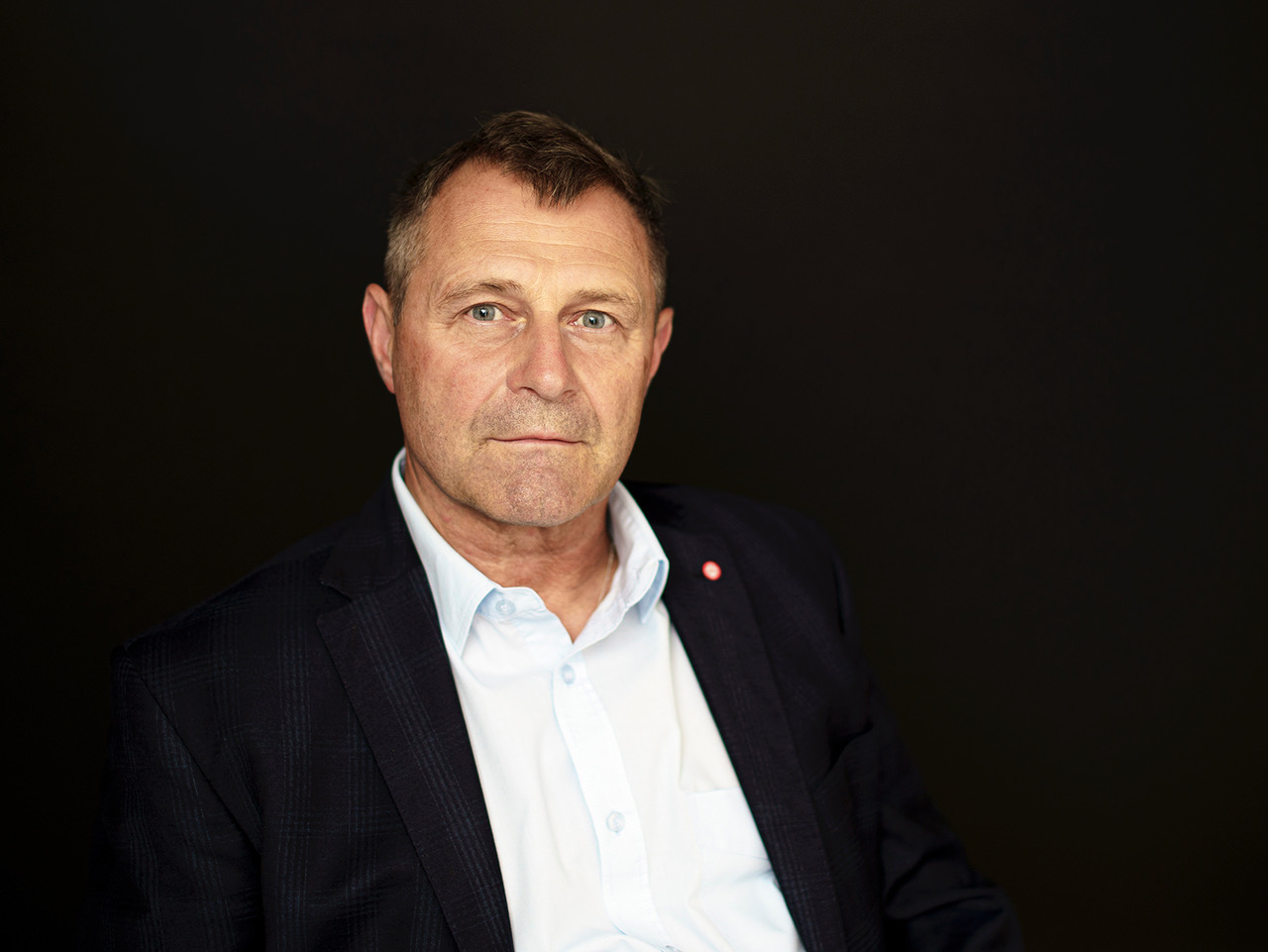
Jacek Bulawa
Head of the Technology and Applications
Department Website: www.messer.pl
 General Question
 +41 71 466 80 80
 info@ascoco2.com
 Newsletter
 LinkedIn