

When Cooling Becomes Critical: Why Dry Ice Is More Than a Consumable
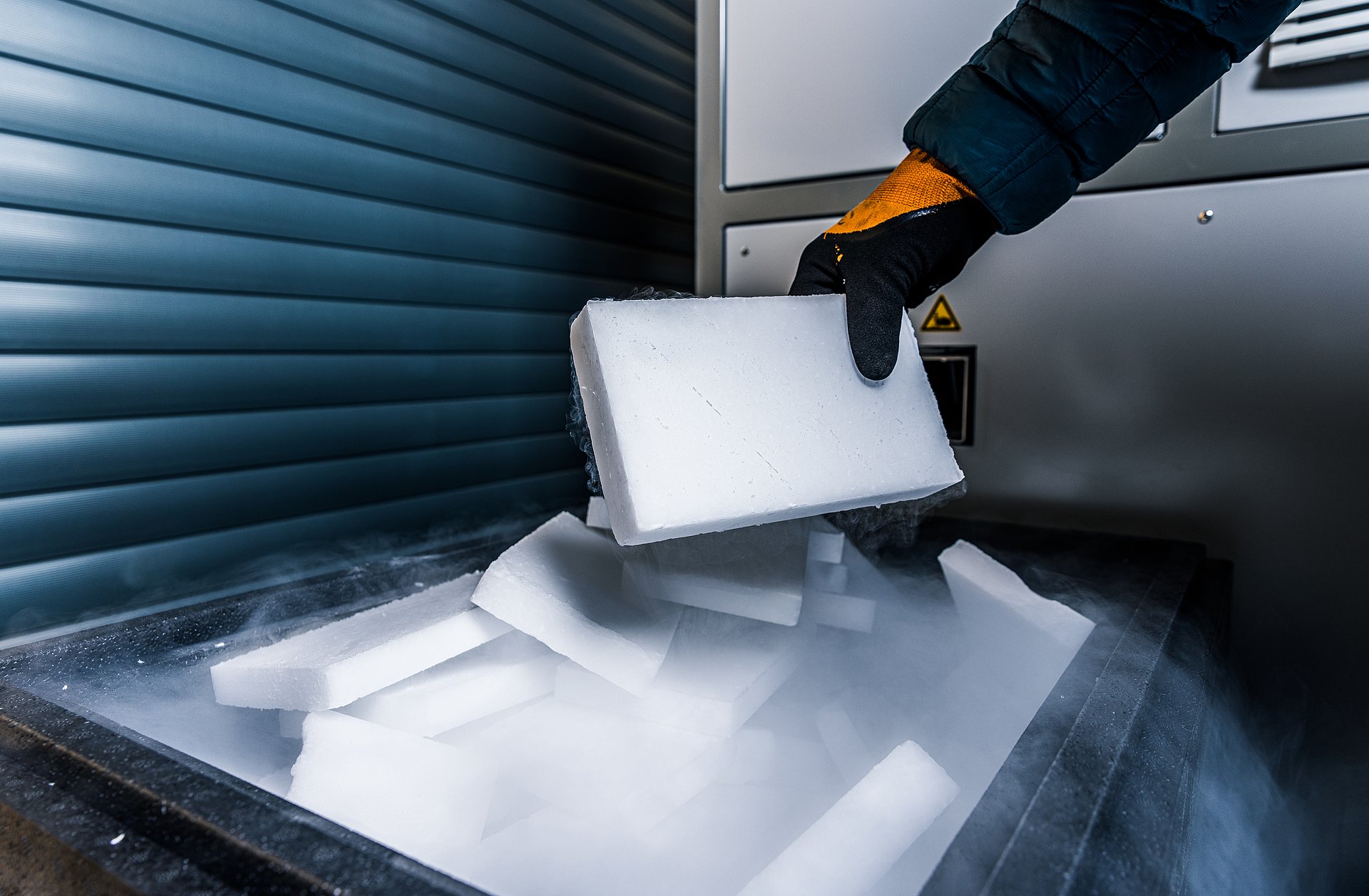
Why Cooling Is Now a Business-Critical Factor
In many industries, cooling is far more than a supporting utility. In the food industry, it protects product quality and shelf life. In pharmaceuticals and biotechnology, it is a prerequisite for complying with regulatory requirements. In logistics and laboratory applications, it protects sensitive products and samples during transport and storage.
The real challenge is not the cooling performance itself, but its reliable availability. Even short interruptions can lead to product losses, quality issues, delivery delays or additional costs. The greater the economic impact of a failure, the more important it becomes to assess how robust the underlying cooling supply actually is.
For companies that use dry ice on a regular basis, its availability becomes a relevant part of their risk and supply strategy.
Dry Ice Is Not an Ordinary Operating Material
Dry ice differs fundamentally from many other operating materials. While raw materials or consumables can often be stored for longer periods, dry ice is subject to continuous loss through sublimation. The product changes directly from a solid to a gaseous state, which means that any stored quantity decreases over time.
This physical property has direct implications for supply security. Safety stocks can only be built up to a limited extent because longer storage times inevitably lead to product losses. The decisive factor is therefore less about storage and more about the ability to keep dry ice continuously available in the required quantity and quality.
The resilience of a dry ice supply therefore does not come from maintaining the largest possible inventories, but from a deliberately planned supply route. The key question is whether companies can keep the required cooling capacity reliably available, regardless of whether they purchase dry ice externally or produce it on site.
In practice, this capability depends on several factors: the available quantity of LCO₂, production capacity per shift or day, the technical availability of the equipment, suitable packaging and storage structures, and logistics. The required form of dry ice also plays a role. Pellets, nuggets, slices and blocks place different demands on production, handling and delivery planning.
For companies with critical dry ice requirements, it is therefore not enough to plan only the required quantity. It is important to understand the entire supply route: from available LCO₂ to production, packaging and storage through to timely provision at the point of use. This is where it becomes clear whether a supply concept remains robust even during short-term demand peaks, delays or market shortages.
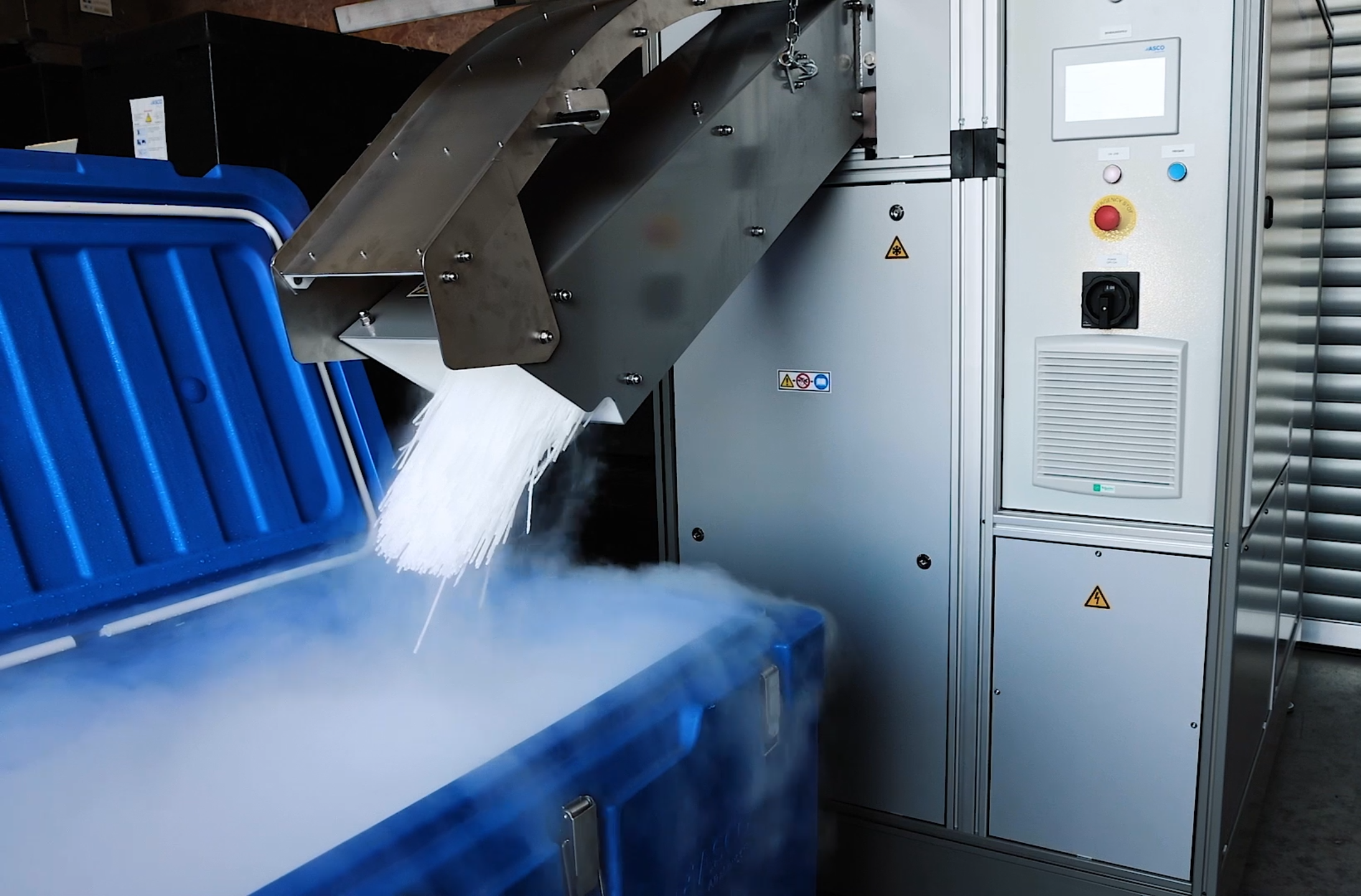
Behind Every Dry Ice Supply Is a CO₂ Supply
Dry ice supply security starts with the raw material. Dry ice is produced from liquid carbon dioxide. Without available LCO₂, no dry ice can be produced.
Industrial CO₂ often does not come from dedicated production plants, but is generated as a by-product of other industrial processes. CO₂ availability is therefore influenced by developments in upstream industries. Production declines, maintenance shutdowns or market changes can indirectly affect the available quantity of CO₂.
Several international CO₂ shortages in recent years have shown that these dependencies can have real consequences. For dry ice users, this means that not only the delivery capability of a producer matters, but also the stability of the entire upstream CO₂ infrastructure.
Why CO₂ Availability Is Becoming a Resilience Issue
For a long time, dry ice was primarily purchased from a cost perspective. Today, supply security is increasingly becoming the central issue. Companies recognize that a lack of dry ice can have immediate effects on production, logistics and product quality.
The purchase price is only one factor. Far more important are the potential costs of a failure, for example production interruptions, product losses or delivery delays. Especially in critical applications, the economic damage caused by a supply disruption can be significantly higher than any possible savings in the purchase price.
In this context, resilience means that dry ice remains reliably available even when supply chains come under pressure, demand rises at short notice or individual sources fail. It is not only about having enough dry ice today, but about setting up the supply in such a way that disruptions do not immediately lead to production interruptions, quality problems or delivery delays.
How Companies Can Secure Their Dry Ice Supply
Companies can secure their dry ice supply in two basic ways: through a structurally planned external supply or through in-house production at their own site. Both approaches can be suitable. The decisive factor is which route better matches consumption volume, planning reliability and internal resources.
For external supply, delivery capability, response time and planning reliability are key. Several qualified suppliers can help reduce dependency on individual supply structures. Transparent demand planning is just as important so that consumption volumes, seasonal fluctuations and peak loads can be identified early and coordinated with the supply partner.
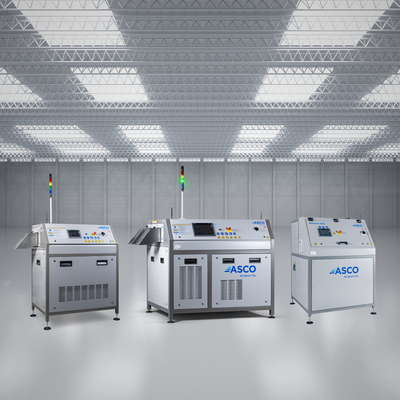
The second option is in-house production. This can become particularly relevant when companies regularly require larger quantities of dry ice, need to respond quickly to demand peaks or want to plan internal processes more independently of external delivery windows. Dry ice can then be produced on demand at the company’s own site, shortening logistics routes and reducing sublimation losses.
At the same time, in-house production is not an isolated solution. It partly replaces dependence on finished dry ice with other requirements: a secured LCO₂ supply, reliable equipment, clear maintenance processes and operating expertise on site. The decisive question is therefore not simply whether dry ice is purchased or produced in-house, but whether the chosen supply route is robust as an overall concept.
CO₂ Recovery as a Lever for Dry Ice Producers
In in-house dry ice production, the efficient use of the CO₂ applied becomes important alongside CO₂ availability. This is exactly where CO₂ recovery can become an additional building block for supply security.
In dry ice production, only part of the liquid CO₂ used is converted into solid dry ice. A significant proportion returns to the gaseous state and cannot be reused without recovery systems.
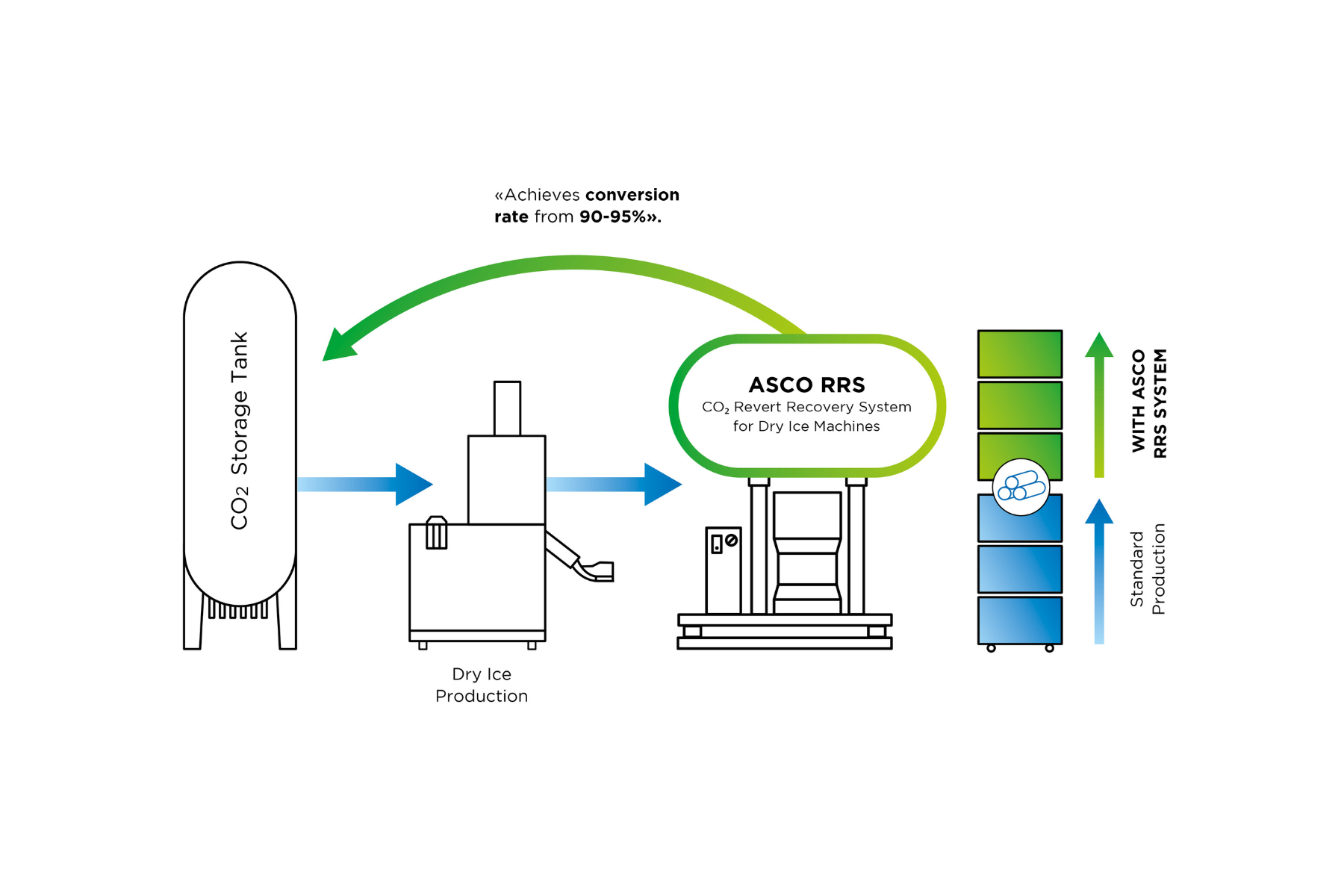
Modern CO₂ recovery systems capture this CO₂ and return it to the production process. This increases resource efficiency, reduces the need for fresh LCO₂ and lowers dependency on external CO₂ deliveries. CO₂ recovery thus becomes a technical lever for economic efficiency, supply security and circular thinking.
Why This Topic Is Becoming More Important
Requirements for temperature-controlled processes continue to rise. Pharmaceutical products are becoming more complex, supply chains more international and quality requirements more demanding. At the same time, companies are under increasing pressure to identify and minimize supply risks at an early stage.
Dry ice sits at a strategically important interface between cooling supply, logistics and CO₂ availability. Companies that use dry ice are not only users of a cooling medium; they are part of a complex CO₂ value chain.
What Companies Should Review in Their Supply Strategy
For companies with critical dry ice requirements, the central question is therefore not whether one specific solution is generally better. The decisive factor is which supply strategy matches the company’s own risk profile. A company with predictable, low demand has different requirements than an operation that needs dry ice every day for time-critical processes.
A robust assessment should therefore consider several questions: How critical is dry ice to the company’s own process? How quickly must it be available? What would be the consequences of a failure? Are there suitable supply partners, a backup concept or reasons for in-house production? Only this overall view creates a dry ice supply that functions not only under normal operating conditions, but remains stable under pressure.
Conclusion: Availability Becomes the Decisive Criterion
Dry ice will continue to play a central role in numerous industrial applications. At the same time, it is becoming increasingly clear that the real challenge does not lie in cooling performance alone, but in its reliable availability.
For companies with critical applications, dry ice should therefore not be considered solely as a consumable. It is an important component of operational resilience. Companies that want to secure production capability, delivery reliability and product quality should therefore also evaluate the stability of their dry ice and CO₂ supply strategically.
The decisive question is not how much dry ice is available today. What matters is whether the required cooling capacity will still be reliably available tomorrow.


 +41 71 466 80 80
 info@ascoco2.com
 Newsletter
 LinkedIn