Inquiries & Help



















Key Takeaways from the 2026 European CO₂ Summit
CO₂ is being redefined. Long considered an unavoidable byproduct of industrial processes, it is increasingly evolving into a strategic resource—crucial for energy security, industrial value creation, and the decarbonization of entire value chains.
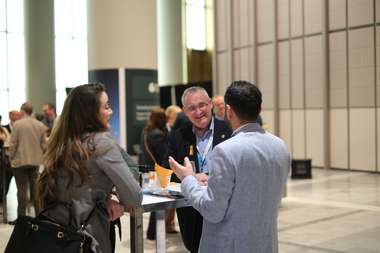
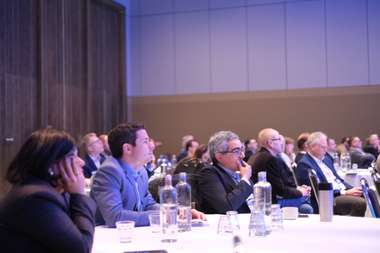
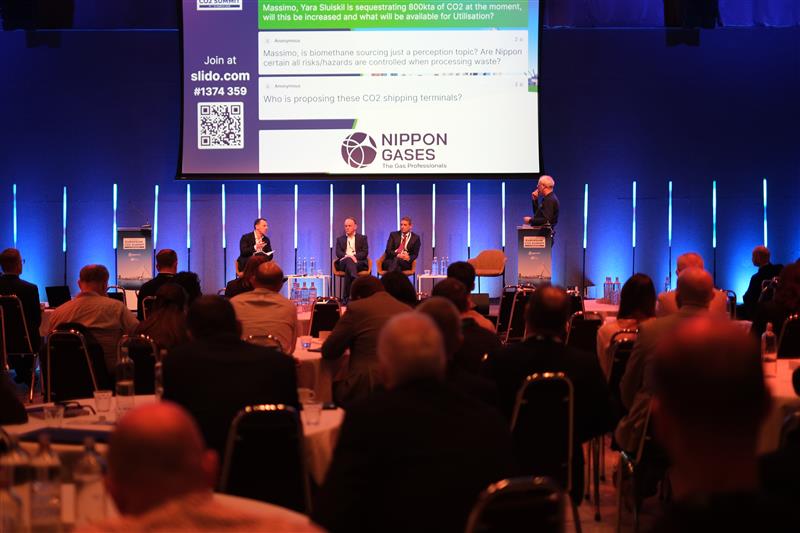
This development was clearly the focus of this year’s European CO₂ Summit in Rotterdam, one of the most important European platforms for CO₂ producers, users, and technology providers. ASCO was represented on-site by three experts and followed the latest market, technology, and infrastructure developments firsthand—accompanied by numerous discussions with customers and partners from the industry.
Transformation of CO₂ Markets and New Supply Concepts
A central theme of the summit was the structural transformation of European CO₂ markets. After years marked by shortages and high volatility, new business models and supply approaches are emerging. Biogenic CO₂ and carbon capture technologies, in particular, are gaining importance as industries seek to reduce their dependence on fossil sources and secure their CO₂ supply in the long term.
It became clear that future supply security requires integrated concepts that take a holistic view of CO₂ capture, processing, storage, and utilization—technically, regulatorily, and economically.
Infrastructure as a Key Issue
In addition to the source, infrastructure remains a decisive factor for success. Questions regarding transport solutions, terminals, and short- and long-term storage options significantly determine how quickly new CO₂ concepts can be implemented industrially. Several presentations highlighted the need for coordinated investments along the entire value chain—often across national borders.
At the same time, today’s infrastructure decisions directly influence future CCUS capability as well as connectivity to e-fuel and reuse concepts.
Innovation, utilization, and investment security
Technological innovations were also a focus of the summit. From new utilization pathways and e-fuels to validation, certification, and CCUS readiness, one thing became clear: Innovation is increasingly driven by industrial practicality, not just theoretical potential.
Another key topic was investment prospects. For many industries, CO₂ is not an interchangeable raw material, but a critical production factor. Accordingly, supply strategies have a significant impact on operational reliability, cost structures, and long-term competitiveness.
Significance for the dry ice industry
These developments are particularly relevant for the dry ice industry. Demand for dry ice is rising steadily—especially in logistics, the food industry, and pharmaceutical applications, where reliability, product quality, and consistent availability are essential.
A stable supply of CO₂ of defined quality is thus becoming even more important. At the same time, the efficient use of CO₂ is gaining importance, as it has a direct impact on production stability, energy consumption, and the economic viability of dry ice production in various industrial environments.
Conclusion
CO₂ remains a decisive factor in production, energy, and logistics—and the demands for quality, reliability, and efficiency continue to rise.
This is exactly where ASCO comes in: with solutions that combine supply security, engineering precision, and economic efficiency, supporting our industrial partners in an increasingly complex CO₂ environment.
We would like to thank all our customers and partners for the valuable exchange during the European CO₂ Summit. Your perspectives and requirements are a key driver for sustainable CO₂ solutions.