The right equipment for efficient dry ice blasting
Dry ice blasting is an innovative and environmentally friendly cleaning method that is used in many industries. Whether in the automotive industry, food processing or machine maintenance - this technology enables effective cleaning without the use of water or chemical cleaning agents. But what equipment do you need to get started with dry ice blasting? What requirements must be met? And what needs to be considered in terms of safety? In this article, we answer these questions and show you how to get the most out of your dry ice blasting technology.
What do I need for dry ice blasting?
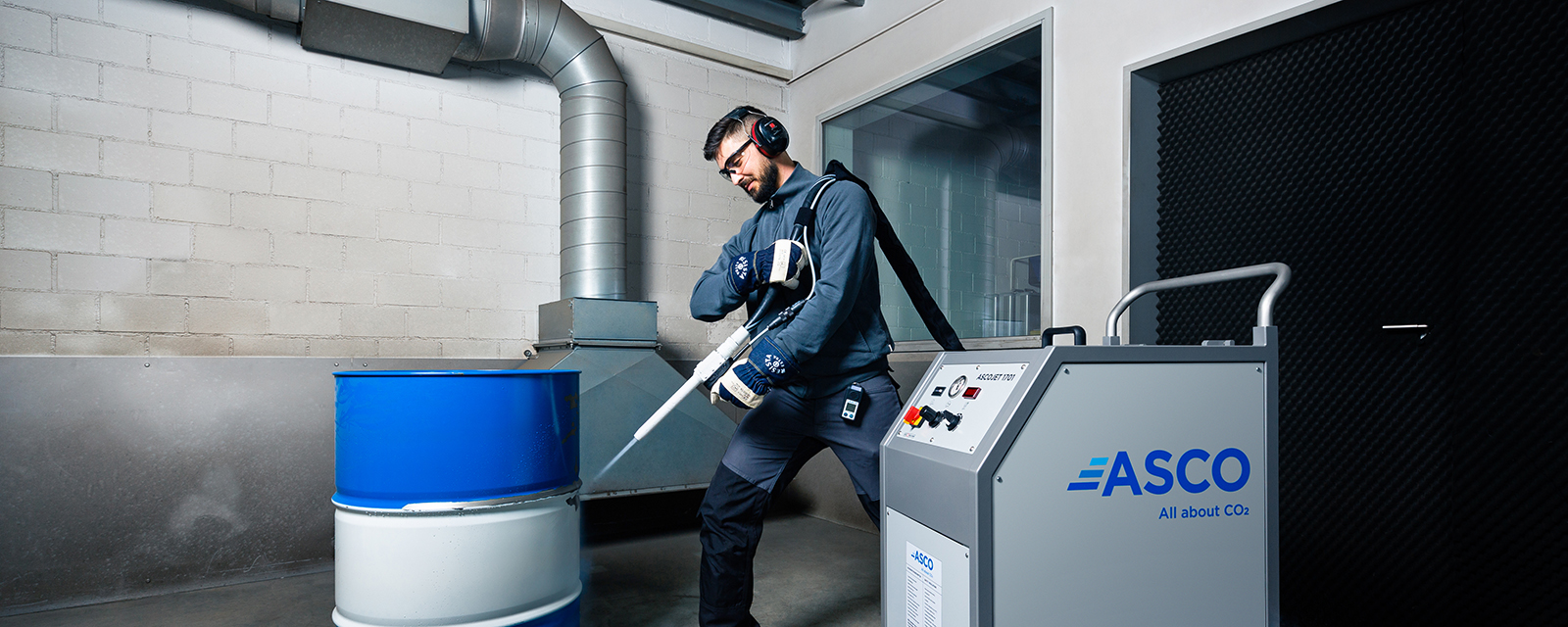
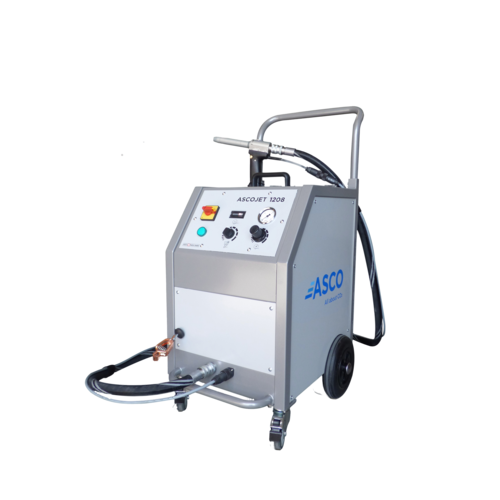
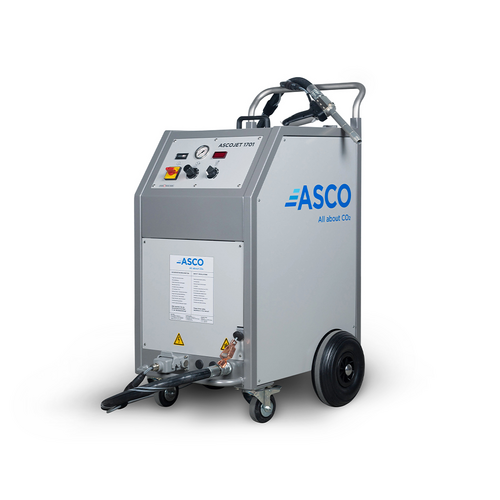
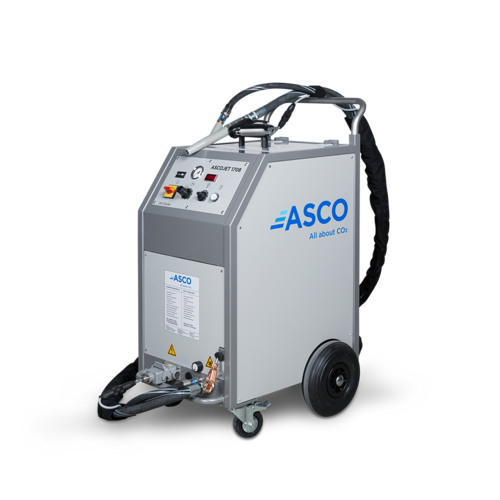
To work successfully with dry ice blasting, the right equipment is essential. At the heart of this is the dry ice blasting machine, which enables precise control of pressure and particle size and therefore delivers optimum cleaning results. Equally important are the dry ice pellets as blasting media. High-quality dry ice ensures uniform cleaning and a highly effective process. A powerful source of compressed air is also crucial, as most devices require a compressor with at least 5-10 bar pressure and sufficient air volume. In addition, special blasting hoses and nozzles are used, which allow flexible adaptation to different surfaces and degrees of soiling. As the process involves high levels of noise and extremely low temperatures, safety goggles, gloves and hearing protection are essential for safe operation.
What are the requirements for dry ice blasting?
In order for dry ice blasting to be carried out efficiently and safely, a few basic requirements must be met. A sufficient compressed air supply is essential, with the required air volume and pressure depending on the blasting device in question. A dry working environment is also an advantage in order to avoid condensation and moisture formation, as the dry ice immediately turns into gas on impact. The blasting surface to be treated should also be suitable for the process. Materials such as metal, plastic, wood or concrete can usually be cleaned without any problems, but it should first be checked whether the surface in question is sensitive to the cold or pressure. Even if no secondary waste is produced during dry ice blasting, the loosened dirt particles must be disposed of properly. It is also advisable to provide employees with in-depth training to ensure that the technology is used safely and efficiently
What are the safety regulations for dry ice blasting?
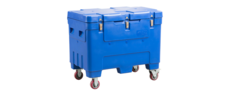
Dry ice blasting is a safe method as long as the necessary safety measures are observed. As the process generates a high noise level, it is essential to wear hearing protection. Protective clothing is also required, as the dry ice has a temperature of -78.5 °C, which means that direct contact with the skin can lead to frostbite. Gloves and long clothing offer effective protection here. In closed rooms, an increased CO₂ concentration can lead to a lack of oxygen, which is why good ventilation or the use of a CO₂ warning system is advisable. The storage of dry ice also plays an important role: it should be stored in well-insulated containers to avoid unnecessary evaporation, but should not be sealed airtight to prevent the container from bursting. The work area must also be secured so that only authorized personnel have access and accidents are prevented.
Conclusion
Efficient dry ice blasting requires the right equipment and compliance with important safety guidelines. In addition to a powerful dry ice blasting machine, a reliable compressed air supply, suitable nozzles and high-quality dry ice pellets are essential. In addition, certain requirements such as adequate ventilation and safe working conditions must be observed. If you take all these factors into account, you will benefit from a powerful, environmentally friendly and effective cleaning method.
 Inquiries & Help